Finishing Your Oak Mantel: Oil, Wax, or Leave It Raw?

January 14, 2026
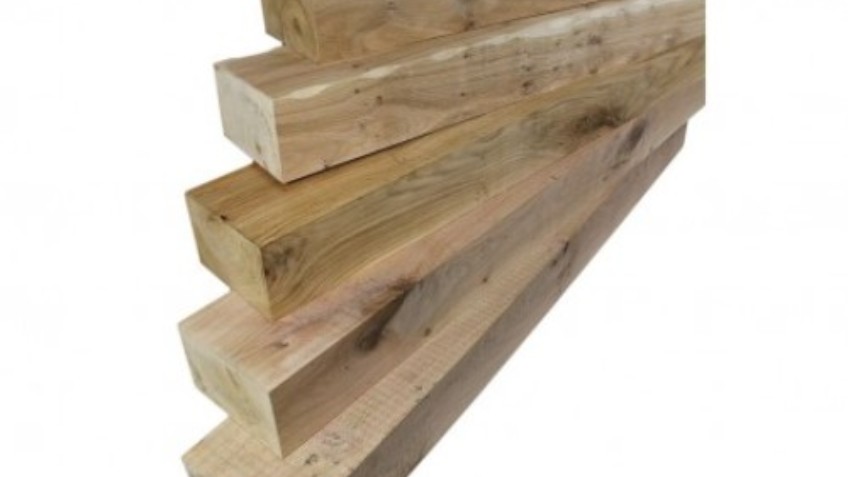
Getting the finish right on oak mantels makes a bigger difference than most people expect. The choice between oil, wax, or leaving the timber untreated doesn’t just affect how it looks on day one — it changes how it ages, how much attention it needs, and whether you’ll still be happy with it five years down the line.
We talk about mantel finishes almost daily at UK Oak, and there’s no single correct answer. What works perfectly above a rarely used fireplace in a period cottage can be completely wrong for a busy family room with a wood burner running most evenings. It’s worth understanding the options properly before committing.
There’s a long tradition of leaving oak unfinished. Plenty of Tudor beams have survived centuries without any surface treatment at all. Over time, raw oak oxidises and develops a soft, silvery glow that many people find appealing. There’s something honest about that completely natural approach.
The reality, though, is a little more involved.
Untreated oak absorbs almost everything it comes into contact with. Water marks from a damp cloth, dark rings from metal objects, fingerprints that appear only when the light hits at the wrong angle — it all shows. In homes with young children, pets, or the habit of resting mugs on the mantel, raw oak records daily life very clearly.
Dust behaves differently too. Instead of wiping cleanly away, it settles into the grain, meaning cleaning takes a bit more care than a quick swipe with a cloth.
That said, untreated oak does have genuine advantages. There’s no finish to maintain, no re-oiling schedule to remember, and if a mark really bothers you, it can usually be sanded out without worrying about colour matching. The timber also continues to adjust naturally to changes in humidity without any surface barrier.
For mantels in low-use rooms, or where an aged, weathered appearance suits the space, leaving oak raw can make complete sense — as long as expectations are realistic from the start.
Danish oil is often the first recommendation in timber yards, and for good reason. It’s been the default choice for oak finishing for decades. Rather than sitting on the surface, it penetrates the wood fibres, enhancing the grain while offering a reasonable level of protection.
Application is straightforward enough. A clean cloth, a generous first coat (oak is thirsty), then further coats with light wire-wooling in between. Most mantels need at least three coats to build meaningful protection, and the first couple tend to disappear into the timber almost instantly.
One thing that catches people out: Danish oil does darken oak. Freshly planed timber with a pale, honey tone shifts towards a warmer, more amber colour. Not dramatically, but noticeably. Many people love this because it brings out character and depth. Others find it too warm for very contemporary interiors.
Maintenance is part of the deal. Once a year, a light clean and a fresh coat keeps everything looking its best. It’s not a big job — twenty minutes or so — but it is an ongoing commitment.
Drying time matters too. Danish oil needs good ventilation and patience between coats. If you’re trying to finish an installation quickly, it can feel slow, though most people are happy with the result once it’s done.
For traditional interiors where you want oak to look like oak — warm, familiar, and full of character — Danish oil remains a reliable choice. It’s also forgiving if you ever need to repair a damaged area.
Teak oil works in much the same way as Danish oil but is usually cheaper, which explains its popularity with trade installers and cost-conscious homeowners. Its thinner consistency makes it easy to apply and quick to soak in.
The finish tends to be slightly darker than Danish oil. On green oak, the reaction can be dramatic — we’ve seen freshly cut timber turn almost black within minutes. Testing on an offcut or hidden area is essential if the oak isn’t fully seasoned.
Maintenance requirements are similar. The thinner formula penetrates well but doesn’t build much surface protection, so regular feeding keeps the timber looking healthy.
Most standard teak oil products perform perfectly adequately on mantels. The key is consistency. Several thin coats always work better than one heavy application.
Osmo products represent a more recent approach to timber finishing, originally developed for hardwood floors where durability is critical. The PolyX range combines natural oils and waxes but creates a tougher, more resilient surface than traditional oils.
Application is different. You’re building a protective layer as well as feeding the wood, which gives much better resistance to water marks, heat, and general wear. For mantels above working fireplaces or wood burners, Osmo generally copes better with the environment.
Colour change is usually more subtle than with Danish oil, especially in the clear or natural versions. Matt finishes suit contemporary spaces well, offering protection without noticeable shine.
The downside is cost. Osmo products are more expensive and usually need ordering from specialist suppliers rather than picked up locally. For high-use fireplaces, the durability often justifies the price. For decorative mantels, it may be more than you need.
Maintenance intervals are longer too — perhaps every 18–24 months rather than annually — which appeals to anyone who’d rather not add another regular job to their list.
Beeswax produces a beautiful, subtle sheen while keeping oak close to its natural colour. The process involves rubbing wax into the timber, allowing it to settle briefly, then buffing to a soft finish.
It’s also the most labour-intensive option. Achieving even coverage along a long mantel takes patience, and the protection it offers is minimal. A wet glass will mark waxed oak almost as quickly as unfinished timber.
Where beeswax excels is in how it feels. The surface is smooth, warm, and pleasant to the touch, with a low sheen that suits period properties particularly well. Over time, the finish builds gradually rather than appearing all at once.
Maintenance means re-waxing every few months, although it becomes quicker once a base layer has formed. Some people enjoy the ritual; others quickly tire of it.
For authentic restorations, beeswax has its place. For busy households looking for practical protection, it’s usually not the best fit.
Water-based polyurethane finishes are popular where maintaining oak’s natural pale colour is important. Unlike oils, they sit on the surface and create a protective barrier that resists moisture and marking very effectively.
This does limit how freely the timber can breathe, though for internal mantels this is rarely an issue.
Application needs care. Brush marks show easily, and getting an even finish takes attention. Some people prefer spraying larger beams, but that requires proper equipment and ventilation.
Applied too thickly, the finish can look slightly plastic, especially in gloss versions. Matt or satin finishes tend to suit oak much better.
Once applied, maintenance is minimal — perhaps a light sand and recoat every few years. The trade-off is that repairs are less forgiving, as you’re dealing with a surface layer rather than simply refreshing oil in the timber.
There’s no universally “best” finish — only what suits your situation. A few things to consider:
Room use and conditions: High-traffic areas benefit from tougher finishes like Osmo.
Appearance: If you like warm, traditional oak, oils work well. For pale, contemporary interiors, water-based finishes make more sense.
Maintenance honesty: Be realistic about whether you’ll re-oil annually.
Heat exposure: Working fireplaces need more protection than decorative mantels.
Timber condition: Green oak reacts differently to finishes than seasoned timber. Always test first.
Whatever finish you choose, preparation matters. Oak should be clean, dust-free, and lightly sanded to open the grain. First coats always soak in faster than later ones.
Good ventilation helps curing, and cold conditions slow drying dramatically. Multiple thin coats will always outperform a single thick one.
If you’re working with green oak, allow at least two weeks after installation before applying any finish. Ideally, let the timber experience a full heating season before final finishing — although we know many people don’t have that much patience.
Oak mantels can last decades, which means your finishing choice commits you to a maintenance routine for years to come. The easiest finish to apply isn’t always the easiest to live with.
It’s also worth thinking about how the timber will age. Oils deepen over time, wax builds subtle richness, untreated oak silvers naturally. None of these are wrong — they just suit different spaces.
If you’re uncertain, test finishes on an offcut of the same timber. See how they look after a few weeks, how they react to water, and whether the colour works in your room. It’s far easier to experiment on scrap than regret a decision on the mantel itself.
For most homes with infrequently used fireplaces, Danish oil offers a good balance of protection, appearance, and ease of use. For working fireplaces with wood burners, harder wax oils like Osmo provide better long-term resilience.
Period properties aiming for authenticity may prefer beeswax or unfinished oak, accepting the maintenance involved. Contemporary spaces that favour pale timber can use water-based finishes, understanding the different aesthetic they create.
If you’d like to talk it through, give us a call on 01536 267107. We’re happy to discuss timber type, fireplace use, and finishing options based on what actually works in practice — not just what sounds good on paper.
The finish you choose shapes how you’ll live with your oak mantel for years, so it’s worth taking the time to get it right.