Do Oak Skirting Boards Need to be Treated

February 24, 2026
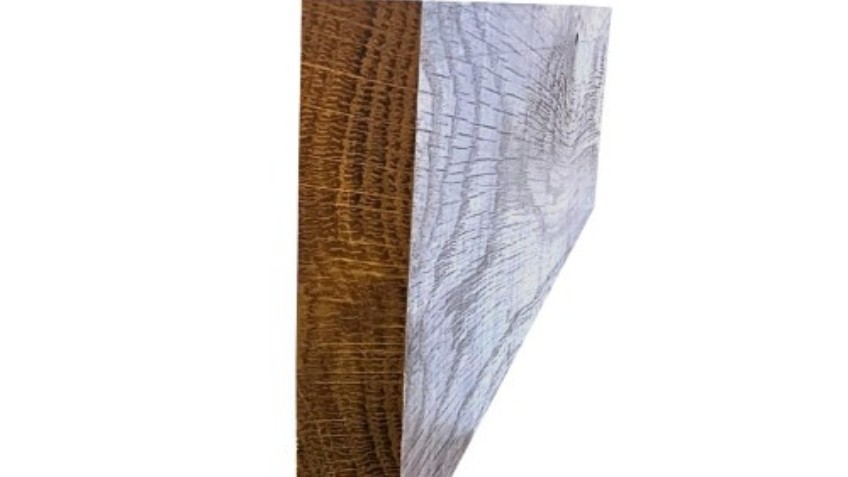
The short answer is no, oak skirting doesn't strictly need to be treated. Many historical buildings have untreated oak skirting boards that have stood the test of time for centuries. But that doesn't necessarily mean you should leave your skirting bare.
We're UK Oak, and we provide solid oak skirting to homes across the UK. We're regularly asked whether skirting needs to be treated or not. It's less to do with what's good for the oak itself and more to do with what you want from your oak skirting.
Oak is a dense hardwood with tannins that offer reasonable protection against the elements. When left untreated indoors, oak skirting won't decay like softwood will. But what will happen is that the wood will slowly oxidise to a silvery-grey finish.
It doesn't happen overnight – or even over months – but eventually, the wood will change to that familiar weathered finish. It's actually quite nice – there's something attractive to the display.
What untreated oak skirting won't do particularly well is hide scuff marks. Shoe marks, scratches from furniture moving around the room, spills from cups of water left on the floor by the front door – all these will leave marks on the skirting that will remain until you decide to sand them off.
Dust also behaves differently in that it does not simply wipe away cleanly. It settles in the grain of the wood and requires more thorough cleaning. Not a big problem, perhaps, but something to be mindful of if you are fussy about maintaining your skirting boards to look like new.
If you are working with rooms that are used little or are restoring an old building where an aged look is desired in the design scheme, then oak that has been left untreated could be perfectly adequate. Just be sure to know exactly what you are getting yourself into.
Danish oil or similar penetrating oils are likely to be the most popular treatment for oak skirting. The oil actually penetrates the timber, rather than just sitting on the surface, which means it enhances the natural grain but also offers reasonable protection.
Application is quite simple; you just rub it onto the wood using a cloth, and then repeat the process until the wood no longer absorbs the oil. Two or three coats are normally required, although some areas of the wood, especially the skirting, may require more coats due to the wood's porosity.
The change in colour is quite marked. The pale, newly planed oak wood takes on a richer, amber colour. It is not a dramatic change, but it is definitely richer. The change is generally pleasing to the eye, although it may not be appropriate for all modern interiors.
Maintenance is simply wiping the wood with a damp cloth for day-to-day maintenance, and then applying a thin coat of oil annually or when the wood starts to look dry. It takes perhaps an hour for an average room, and the wood will be kept in good condition.
Hard wax oils, such as Osmo, offer similar benefits to the oil but offer a tougher finish. They are also more expensive and need to be sourced from specialist suppliers, although they will perform better in high-traffic areas than oil. They would be particularly useful in entrance halls, kitchens, and corridors.
Oak wood can be stained before applying any finish or protection to it, which gives users much more control over the final colour of the wood. Light stains are ideal for enhancing the natural colour of oak wood, while darker stains are better for more dramatic looks.
The trick is realizing that the stain doesn’t offer any protection on its own – it’s strictly cosmetic. You still need to put oil, wax, or lacquer on top to protect the wood.
Staining also accentuates any inconsistencies within the wood. Knots, sapwood, and grain variations will all take the stain differently and may produce an uneven appearance if not properly managed. While it adds character to character grade oak, it may not be as desirable for select grade oak.
It is also important to test the wood before using the stained skirting. A small test may not show the overwhelming effect that the stain will have when used on all the wood within the room.
Some oak skirting is available as prefinished, which means that the wood is already treated and coated. This will eliminate the need to oil, lacquer, or wax the wood when you get home, which will save time and mess. It also means that the finish will be of the highest quality.
However, the drawback is that you will have to contend with the ends and the fixing points. Every cut, every mitre, and every scribed joint, as well as the holes for the pins, will mean that you will have to touch up the wood. It is not always easy to get the finish right, and you may notice a distinct change between the new touch-up and the old finish.
Site-finished means that you will be finishing the wood after you have put the skirting in. This will mean that you will be able to get all the wood finished, including the cut ends and the joints. It will mean that you will cause a lot of disruption and will take a lot longer, but the finish will be better.
If you are looking for a simple run of skirting, then prefinished oak skirting is a good option. However, if you have a room that includes many internal and external corners, then it may be better to use the site-finished method.
Some rooms will need more maintenance than others. The entrance halls will take a lot of wear and tear, especially from the wet and cold that enters the house. The skirting near the front door will be kicked, scraped, and splashed.
However, when it comes to oak skirting, it is not optional unless you are comfortable with battle scars appearing very quickly. You might consider using hard wax oil or lacquer instead of oil. You might also consider maintenance annually instead of making it optional.
Skirting in bathrooms, utility rooms, and kitchens also requires water-resistant finishes. Although oak is more resistant to moisture than many other types of wood, it will still mark if water is left to sit on it.
On the flip side of this coin are areas such as bedrooms, home offices, and areas of the house that are used very little. In these areas, it is more possible to consider a lighter finish or even no finish on oak skirting.
If you are dealing with a Victorian, Edwardian, or older home, you might consider whether it is important to maintain period accuracy. In many older properties, oak skirting was left untreated or lightly treated. This might mean wax or linseed oil.
Hard wax oils and polyurethane lacquers are not period products and are more commonly used in modern times. If you are a purist and want to maintain period accuracy in your renovation, it might mean using natural aging of the timber or products from the period.
If you are dealing with a listed building, you might also consider whether there are any stipulations on the type of finish you are able to apply. You might also consider whether your local conservation officer has stipulated requirements for maintaining the original character of the building.
For most period-style renovations that are not listed buildings or in conservation areas, you can apply whatever finish you feel comfortable with.
If you decide to treat your oak skirting, it's not just a matter of applying a treatment, but also of preparing the oak itself for the treatment. This means that the oak should be clean, dry, and lightly sanded to open the grain before applying any treatment.
First coats of treatment always soak up far quicker than any of the subsequent ones, especially on the ends where the cuts are made and there is a greater proportion of porous timber. This needs to be taken into account in any calculations regarding the treatment you are using, as you'll need far more of it for the first coats than you might think.
It's a good idea to provide good ventilation, especially with oil-based treatments, as the smells are not pleasant, and with lacquer, you want good ventilation to get a good finish. This might mean treating a room at a time, especially if you're doing a whole house, instead of doing the whole house at once.
The drying times can be affected quite substantially by temperature. Applying finishes in extremely cold conditions can extend drying times. If you can, it is best to apply skirting when the central heating is on and the house is at normal living temperature.
In general, for most houses, we recommend hard wax oil for its good balance of protection, appearance, and maintenance requirements. It copes well with normal wear and tear, complements the natural appearance of oak, and requires little maintenance, once or twice a year at most.
Entrance halls and areas that are used extensively may require the added durability that lacquer provides, even if this means accepting its different appearance.
Traditional homes that want to be authentic may want to consider traditional wax or no finish at all, but this means considering the maintenance implications.
Modern homes that want to have pale oak may prefer water-based lacquer to prevent the warming effects of oil.
If you're not sure what to do, then give us a call on 01536 267107. We'd be happy to discuss your specific circumstances and recommend based on what actually works, not just what might sound good in theory.